


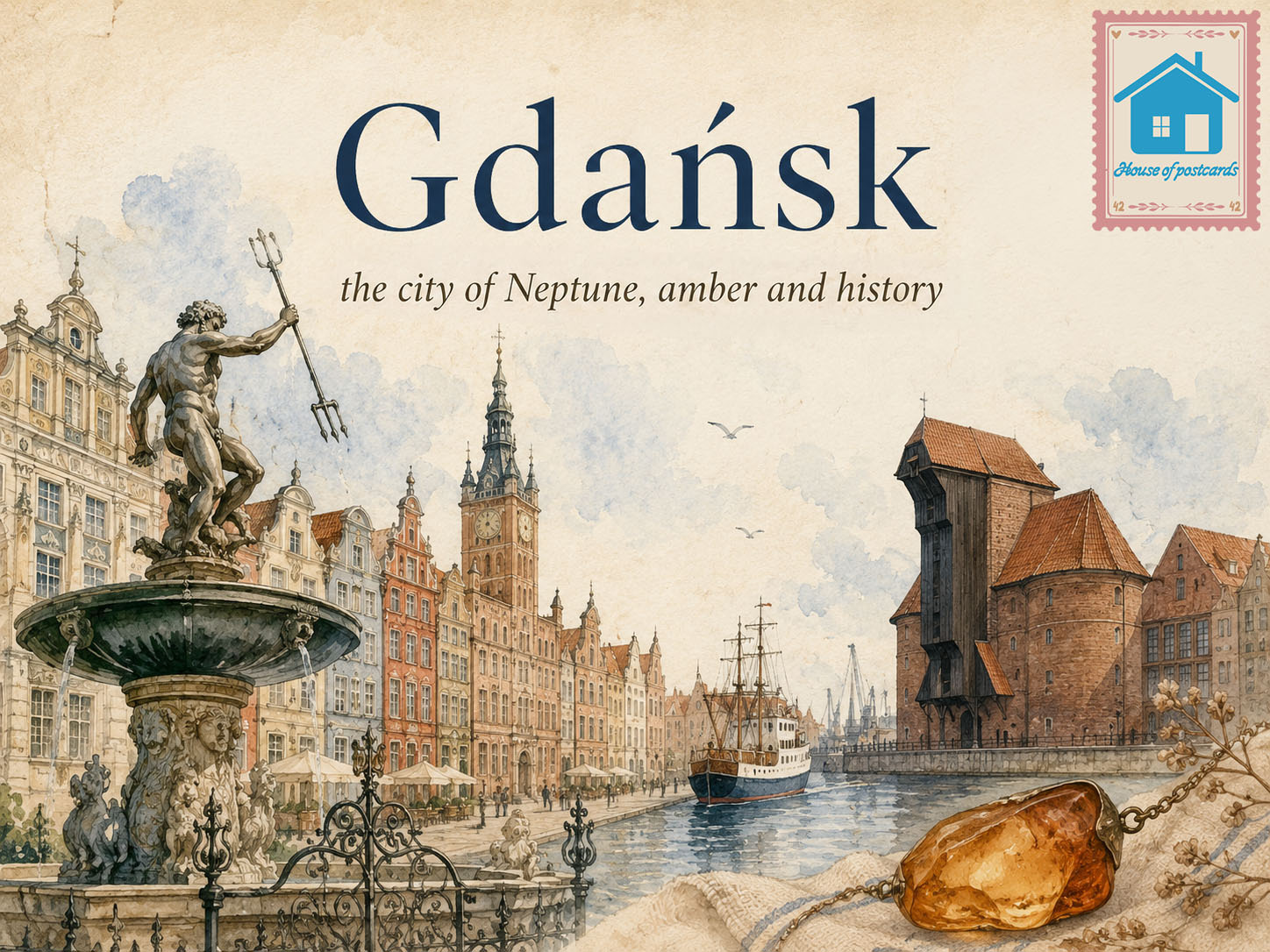
Gdańsk – a city where Neptune watches over the sea, amber is millions of years old, and history waits around every corner
There are cities you visit to see one particular landmark, but Gdańsk is not one of them.
Here, the plan of “just a quick walk around the city centre” has about the same chance of success as walking into a postcard shop and buying only one.
So, in the next post in our House of Postcards travel-and-postcard series, we are heading to the Baltic Sea, but this time it will not be only a story about the sea.
It will be about merchants and astronomers, amber and great ships, one of the most famous Neptunes in Poland and, of course, postcards.
First, there was the port...
The history of Gdańsk is inseparably connected with water. Its location on the Baltic Sea and near the mouth of the Motława into the Vistula meant that for centuries the city developed thanks to trade. Ships arrived here from different parts of Europe, bringing goods, people, languages, ideas and culture.
Gdańsk was also part of the Hanseatic League – a powerful association of trading cities in Northern Europe. It became one of the wealthiest and most important cities of the Polish–Lithuanian Commonwealth. When we walk today between richly decorated townhouses, it is easy to forget that their impressive appearance was no coincidence.
This was a city of merchants, and wealthy merchants liked to show that they were...wealthy merchants. Hence the monumental façades, representative interiors and architecture that, even today, barely gives your camera a moment to rest.
Long Market
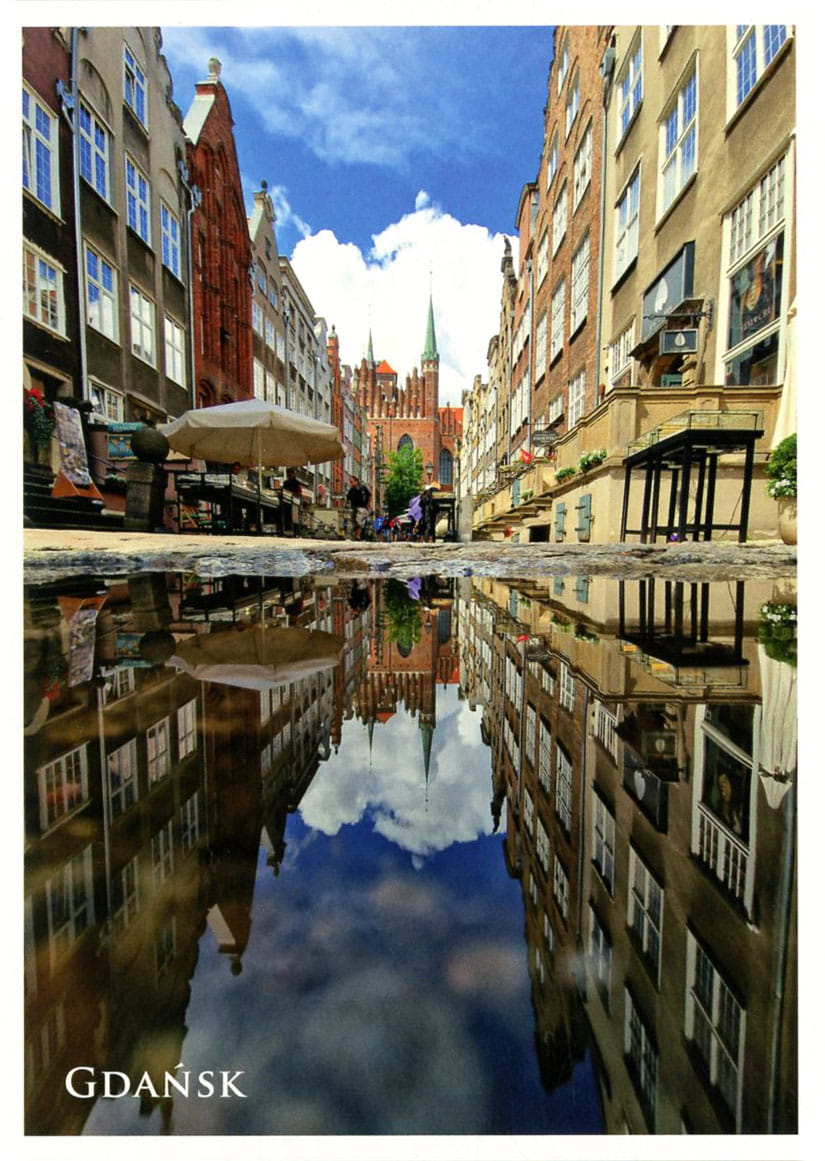
If we had to name the place most often associated with Gdańsk, Long Market would have a very good chance of winning. Colourful townhouses, Artus Court, Neptune’s Fountain and the Main Town Hall. And of course that unmistakable atmosphere that makes it possible to take a beautiful photo in almost every direction.
Long Market together with Long Street forms part of the historic Royal Route.
It is here that we find one of the city’s most representative landmarks – Artus Court. Its origins date back to the Middle Ages, and for centuries it served, among other things, as a meeting place for merchants and the city’s elite.
Neptune – the most famous resident of Long Market
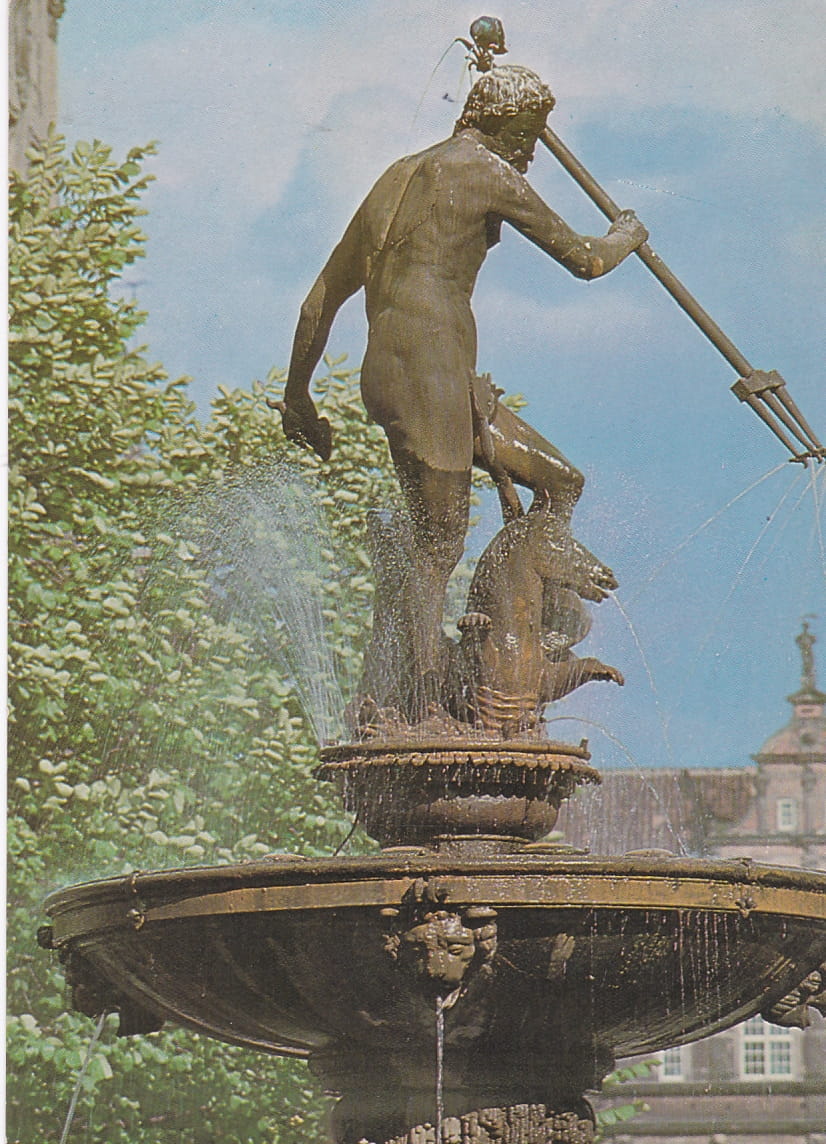
Gdańsk has its own unique symbol - Neptune.
It is difficult to imagine Long Market without the characteristic figure of the god of the seas holding his trident.
The history of fountains in this location is older than the present-day Neptune – city records mention a fountain on Long Market as early as 1549. The current Neptune’s Fountain was created on the initiative of Mayor Bartłomiej Schachmann in the 17th century.
In a city whose power for centuries was connected with the sea and maritime trade, it would be difficult to find a better candidate. It is one of the most photographed sights in Gdańsk, although we have the impression that for several hundred years he has been making exactly the same face 😉
Artus Court
Since we are already by Neptune, all you need to do is turn towards Artus Court and make sure to step inside.
There you will find an extraordinary, richly decorated tiled stove. It is 10.64 metres high and consists of 520 tiles. The Museum of Gdańsk describes it as the largest tiled stove in Europe.
Artus Court itself was a meeting place for merchant and bourgeois brotherhoods, banquets and city events, and later for many years it housed the grain exchange.
The Crane – a symbol of Gdańsk’s port
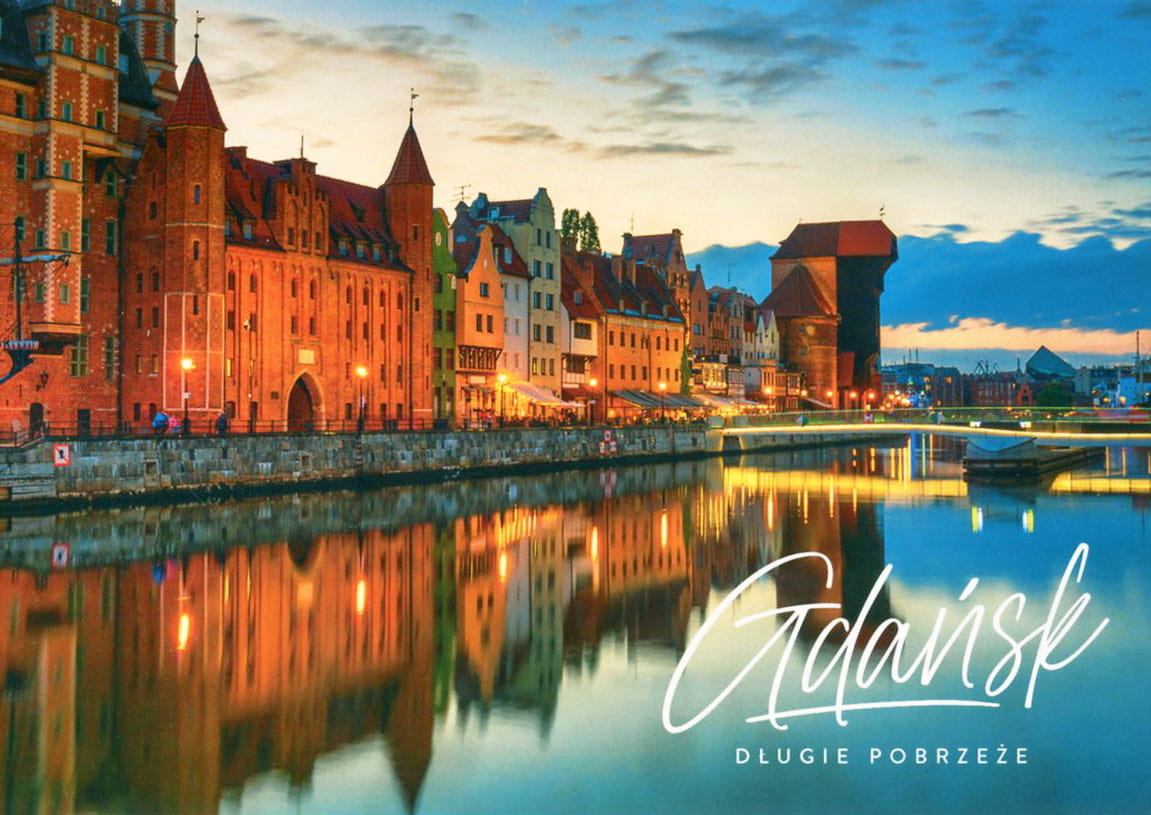
Now we head towards the Motława, where another star of countless postcards is waiting - the Crane.
Its distinctive wooden structure makes it difficult to confuse with any other landmark. For centuries, it served as port machinery used for loading and unloading goods and raising masts on ships, while at the same time functioning as a city gate. Today, it is difficult to imagine the panorama of historic Gdańsk without it.
Since we are by the Crane...try a little experiment. Try to find a postcard stand in Gdańsk that does not have a single card featuring the Crane - good luck.
Amber
Baltic “gold” has been an important trade commodity and material used by craftsmen for centuries. Today, you can find amber practically everywhere in Gdańsk:
- in jewellery
- museums
- galleries
- shops
- market stalls
- and of course on postcards too.
It is also worth visiting the Amber Museum in Gdańsk, because you quickly discover that this seemingly modest material hides far more history than you might expect. If you find a piece of amber on the beach - officially, congratulations, and unofficially we are a little jealous. 😉
Johannes Hevelius
And now let us look up, because Johannes Hevelius, one of the most important astronomers of the 17th century, was closely connected with Gdańsk. He observed the sky from his own observatory built on the rooftops of Gdańsk townhouses, created maps of the Moon, studied comets and carried out remarkably precise astronomical observations. Interestingly, astronomy was not his only occupation. Hevelius came from a family connected with brewing and also ran a brewery himself.
Fahrenheit? Yes, THAT Fahrenheit
If the name Fahrenheit makes you think only of temperature, we have a Gdańsk curiosity for you. Daniel Gabriel Fahrenheit was born in Gdańsk in 1686. The future physicist and maker of scientific instruments created, among other things, the temperature scale that is still used today, primarily in the United States.
Westerplatte
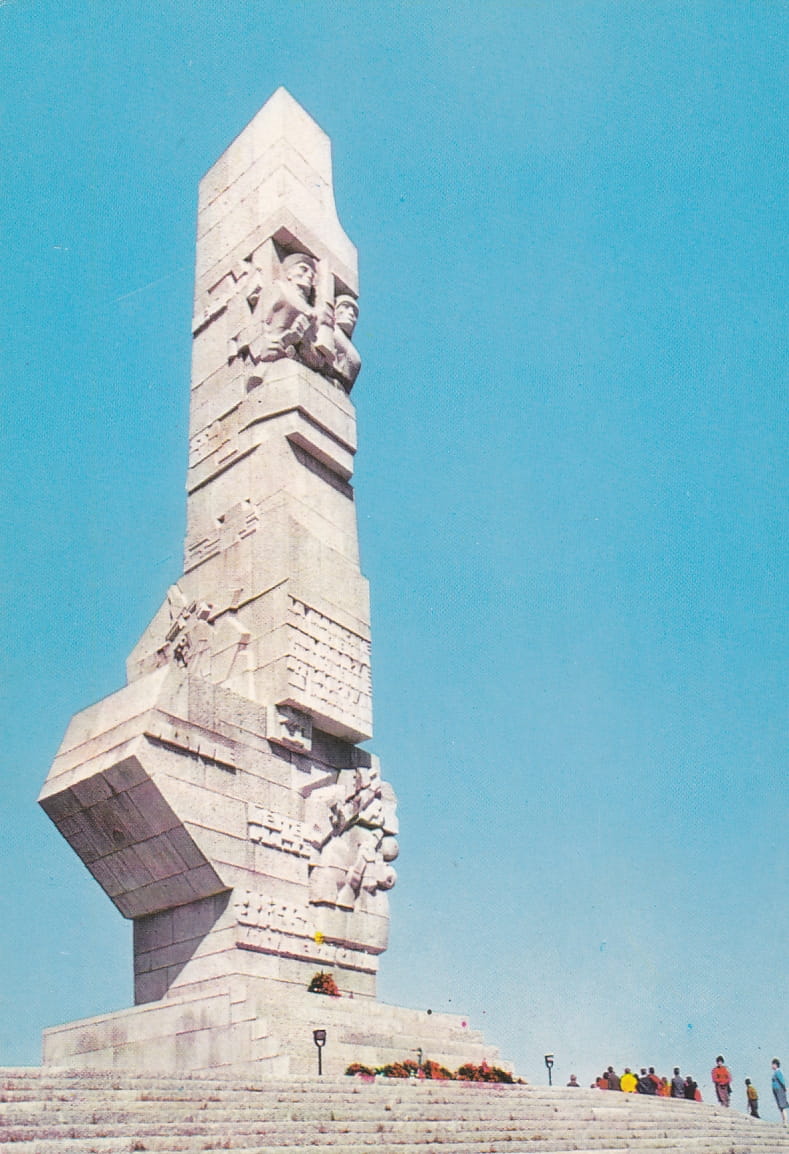
However, Gdańsk also has places that are impossible to pass by without reflection, and one of them is Westerplatte. It is a symbolic site of the beginning of World War II and the heroic defence of the Polish Military Transit Depot in September 1939. This is a completely different part of the story of Gdańsk - not colourful, not holiday-like. It is extremely important. It is worth learning about it in order to understand the history of the city and the events that changed the lives of millions of people. If you are planning to visit at the moment, it is worth checking the current visitor arrangements in advance. Since February 2026, the first stage of construction connected with the new museum has been underway at Westerplatte, resulting in changes to access to some parts of the site.
Polish Post Office in Gdańsk
On 1 September 1939, employees of Polish Post and Telegraph Office No. 1 defended the building against the German attack. Today, the Museum of the Polish Post Office in Gdańsk operates here as a branch of the Museum of Gdańsk. The museum collects documents, photographs, manuscripts and exhibits connected both with the activities of Poles in the Free City of Gdańsk and with the defence of the Polish Post Office, as well as the later fate of its defenders and their families.
If you love postal history, stamps, letters or postcards, this place is definitely worth adding to your list because here the post ceases to be merely a way of sending messages and becomes part of a much greater history.
Gdańsk Shipyard
Gdańsk also played an enormous role in the much more recent history of Poland and Europe. In August 1980, a strike began at the Gdańsk Shipyard that led to the signing of the August Agreements and the birth of the “Solidarity” Independent Self-Governing Trade Union. Today, the area around the former shipyard tells a completely different story of the city than Long Market, which is why it is worth seeing both places.
Elegant Gdańsk of the old merchants and industrial Gdańsk, which became a symbol of the struggle for freedom. But where is the sea?! After all, Gdańsk also has beaches.
- Brzeźno
- Jelitkowo
- Sobieszewo
So if, after an entire day of exploring Neptune, the Crane, museums and historic landmarks, you simply feel like taking off your shoes and walking along the Baltic shore, this is one of Gdańsk’s greatest advantages. In the morning, you can explore centuries-old monuments, in the afternoon watch ships, and in the evening sit on the beach during a spectacular sunset.
Did you know that...
- Neptune’s Fountain has more than 400 years of history, while an even earlier fountain on Long Market was mentioned as early as 1549.
- The stove in Artus Court is 10.64 m high and consists of 520 tiles. According to the Museum of Gdańsk, it is the largest tiled stove in Europe.
- Johannes Hevelius ran an astronomical observatory on the rooftops of his Gdańsk townhouses.
- Daniel Gabriel Fahrenheit was born in Gdańsk – yes, we mean exactly that Fahrenheit, the one behind the temperature scale.
- Before its military period, Westerplatte also served recreational purposes. Only later did the site acquire the character with which we primarily associate it today.
- The Museum of the Polish Post Office has operated since 1979, and since 2003 it has been a branch of the Museum of Gdańsk.
Gdańsk on postcards
And this is where the part we especially love begins. Gdańsk is a fantastic city to explore through old postcards, each one is a tiny time capsule.
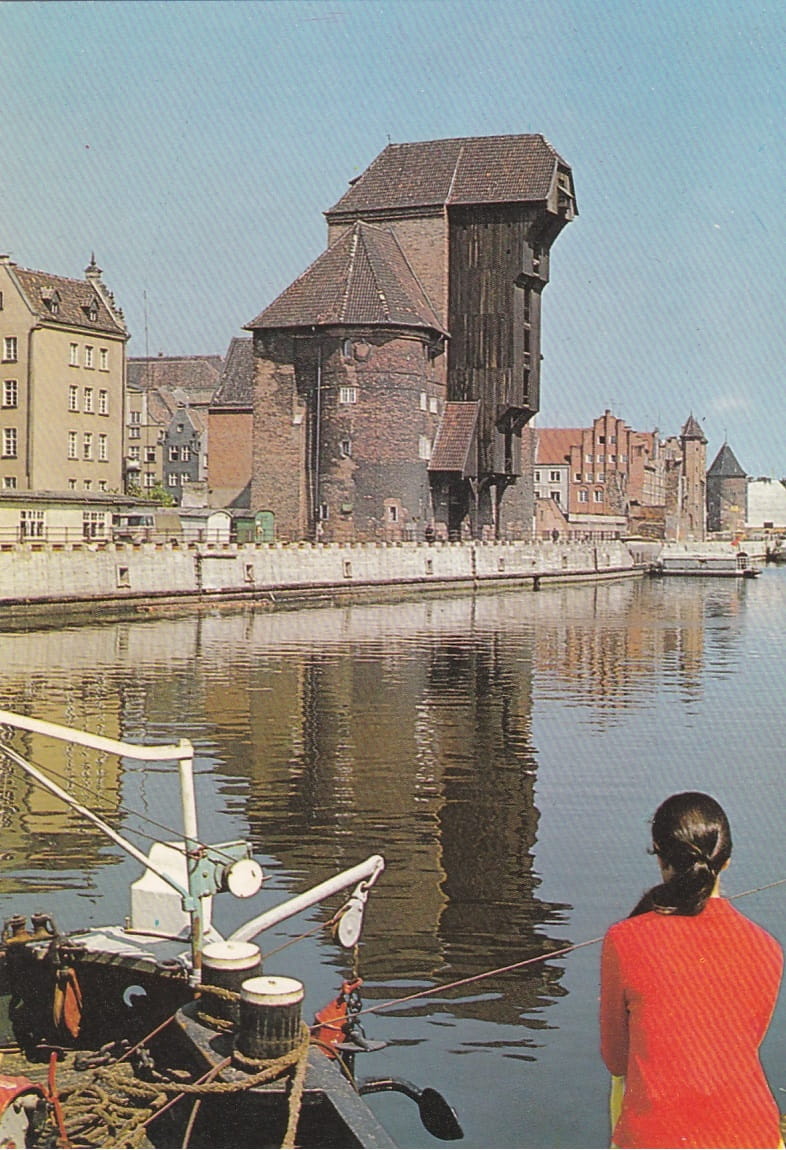
At House of Postcards you will find various postcards featuring Gdańsk – from classic view cards to illustrated and more unusual designs.
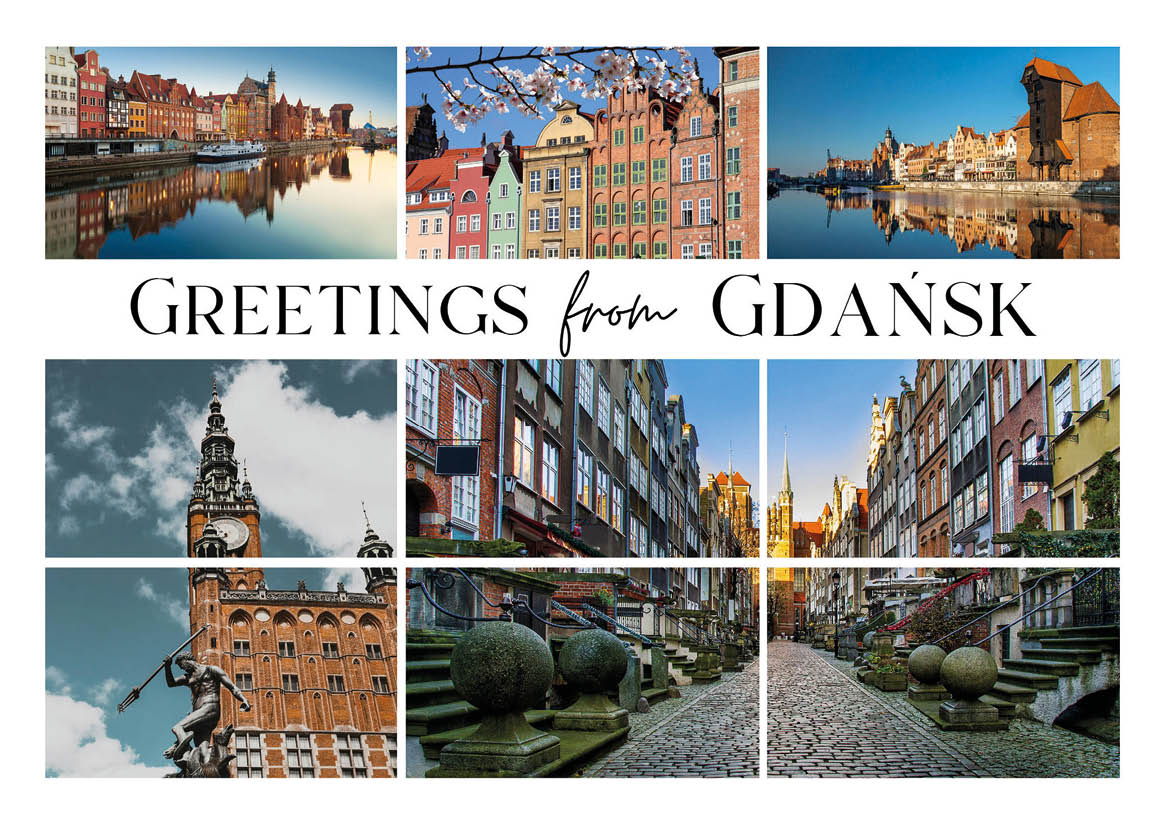
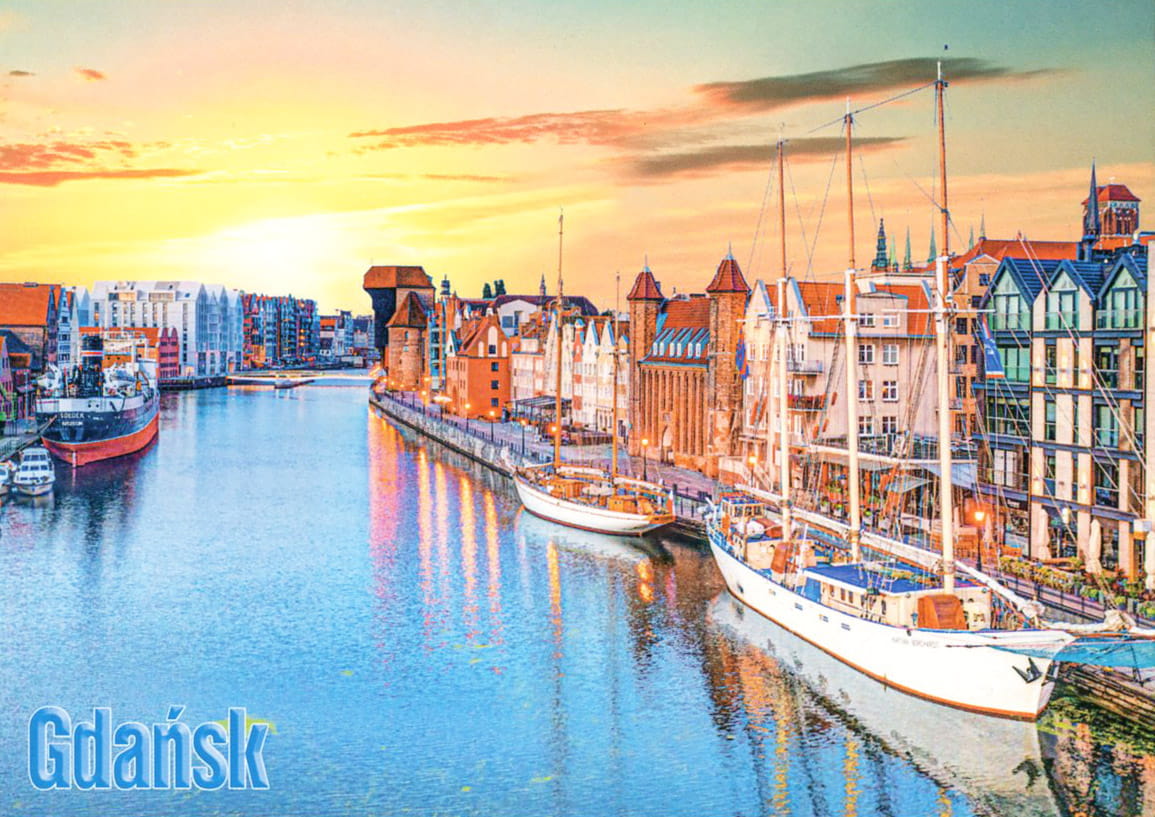
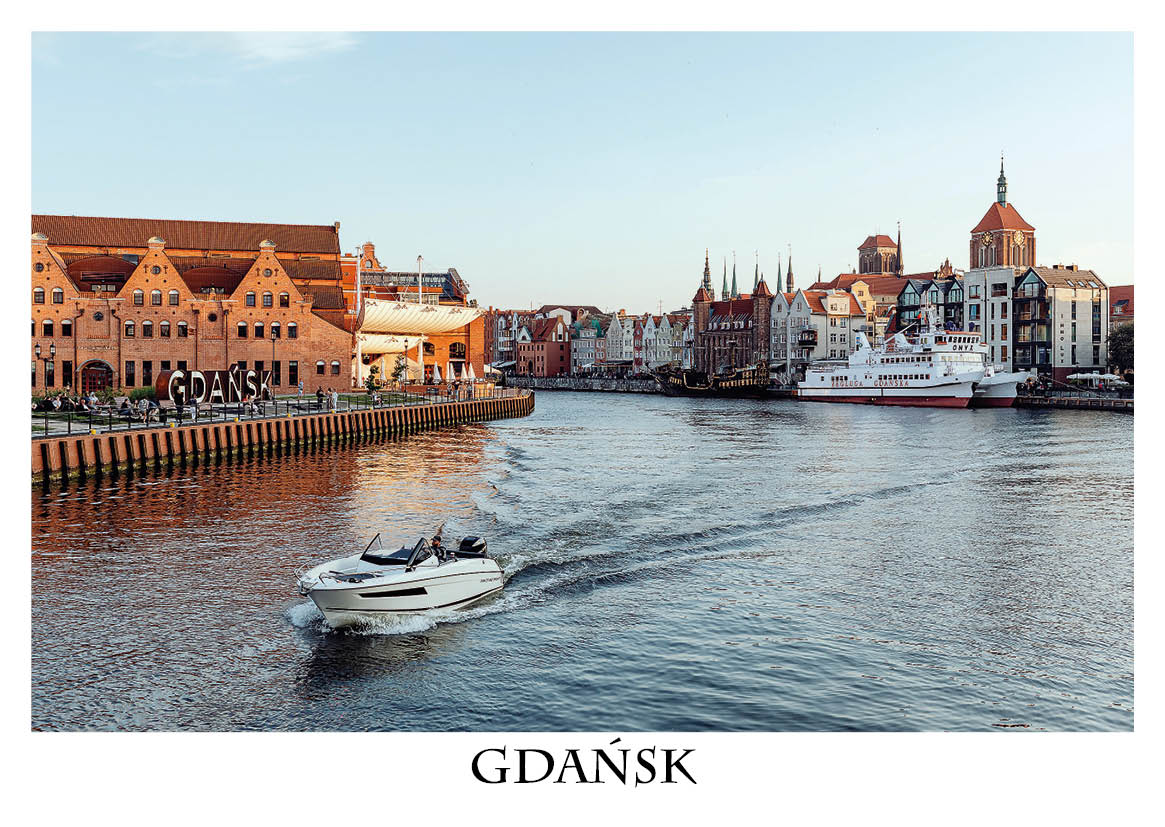
And if you are going to Gdańsk, we have a task for you. Buy a few postcards, keep one, send the second to someone close to you...and send the third out into the world through Postcrossing. Perhaps that one postcard will make someone decide to visit Poland one day.
And perhaps that is exactly where the whole magic of postcards.
Source: House of Postcards Archive